



How to Choose a Sit-Up Bench
A practical guide to comparing stability, adjustment range, weight capacity, comfort, dimensions, storage, and long-term value.
A sit-up bench looks simple, but small design differences can have a major effect on comfort, stability, and how often you actually use it. The best model is not necessarily the one with the steepest decline or the longest feature list. It is the one that fits your body, training plan, available space, and expected load.
This guide explains how to choose a sit-up bench without getting distracted by vague marketing language. It also covers the difference between dedicated abdominal benches and general-purpose adjustable weight benches, so you can buy the right type of equipment the first time.
1. Start With the Type of Training You Plan to Do
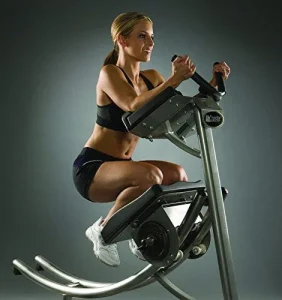
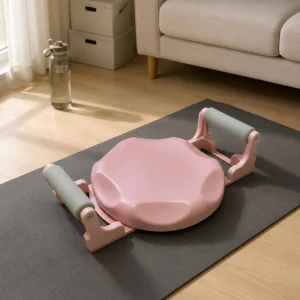
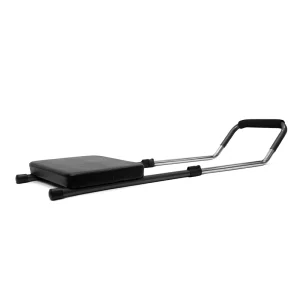
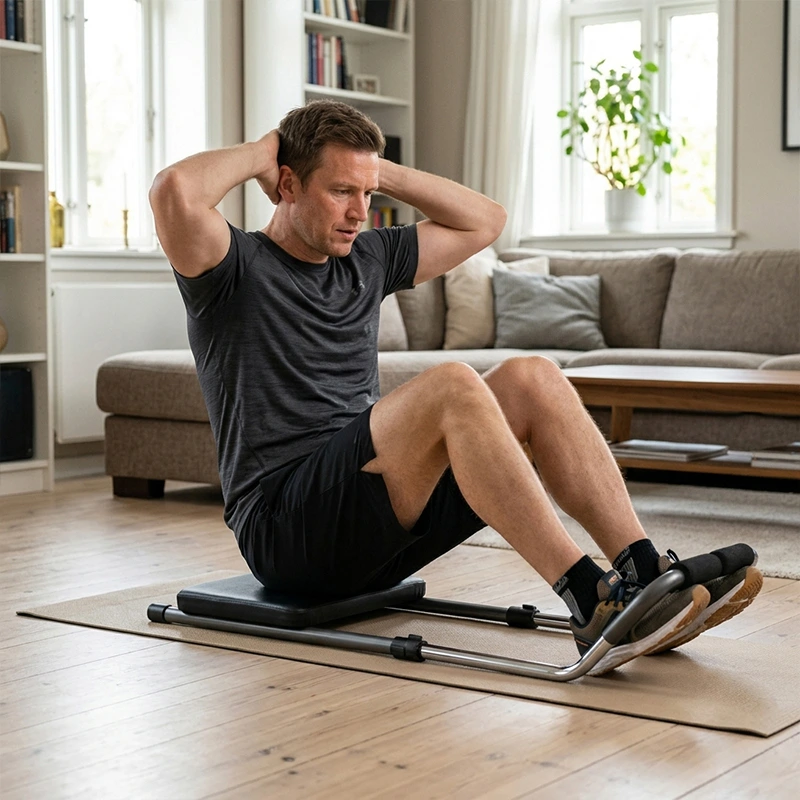
Before comparing specifications, decide what you want the bench to do. Products commonly described as “sit-up benches” fall into three broad groups:
| Bench type | Best for | What to watch |
|---|---|---|
| Fixed decline sit-up bench | Simple abdominal workouts and users who prefer one consistent position | Limited progression and fewer exercise options |
| Adjustable decline ab bench | Beginners through experienced users who want several difficulty levels | The locking system must feel secure at every setting |
| Multi-purpose adjustable bench | Home gyms that combine core work with dumbbell or resistance exercises | Make sure it includes suitable leg support and is approved for every intended exercise |
If abdominal training is your main priority, a dedicated decline bench usually offers better ankle and calf support. If you want one bench for a wider strength routine, a flat-incline-decline model may offer better overall value—but only if its geometry works well for sit-ups.

A sit-up bench is not automatically a weight bench. Never use it for dumbbell presses or loaded exercises unless the manufacturer specifically lists those uses and provides an appropriate total load rating.
2. Check Weight Capacity—Then Read What It Includes
Weight capacity is one of the first specifications shoppers notice, but the number is useful only when its meaning is clear. Look for a plainly stated manufacturer rating and confirm whether it refers to the user alone or to the total load.
For bodyweight core training, select a rating comfortably above the heaviest expected user. If you plan to hold a dumbbell or weight plate, the bench must safely support body weight plus external resistance. Do not assume a claimed “heavy-duty” frame is suitable without a numerical rating and stated use.
Capacity also does not replace stability. A bench can advertise a high static load while still rocking, flexing, or sliding during movement. Treat the rating as one part of the decision, not the entire decision.
3. Stability Matters More Than Extra Features
During a decline curl-up or leg raise, your center of mass moves. A narrow base, uneven feet, loose joints, or excessive frame flex can make that movement feel insecure. Examine the parts that keep the bench planted:
If you can inspect a bench in person, place it on a level surface, lock every adjustment, and apply controlled pressure from the front, rear, and sides. Online buyers should look for clear close-up photos of the base, welds, locking pins, and adjustment mechanism—not only lifestyle images.
4. Choose a Useful Adjustment Range
A steeper decline increases the challenge of many abdominal movements, but more difficulty is not always better. Beginners generally benefit from a mild setting that allows controlled technique. More experienced users may want additional positions for progressive training.
Rather than counting adjustment levels alone, consider the range and spacing between them. Six meaningful positions can be more useful than twelve settings clustered within a narrow range. The mechanism should also be easy to operate while remaining difficult to release accidentally.
5. Make Sure the Bench Fits Your Body
A bench can be strong and stable yet still feel uncomfortable if its dimensions are wrong for the user. Compare the pad length, pad width, leg-holder position, and overall height with the body sizes of everyone who will use it.
Back pad
The pad should give consistent support without forcing the shoulders or hips onto a hard edge. Very soft foam may feel comfortable at first but compress excessively; very thin or hard padding can create pressure points. Look for dense, supportive foam and upholstery that can be wiped clean.
Leg rollers and ankle support
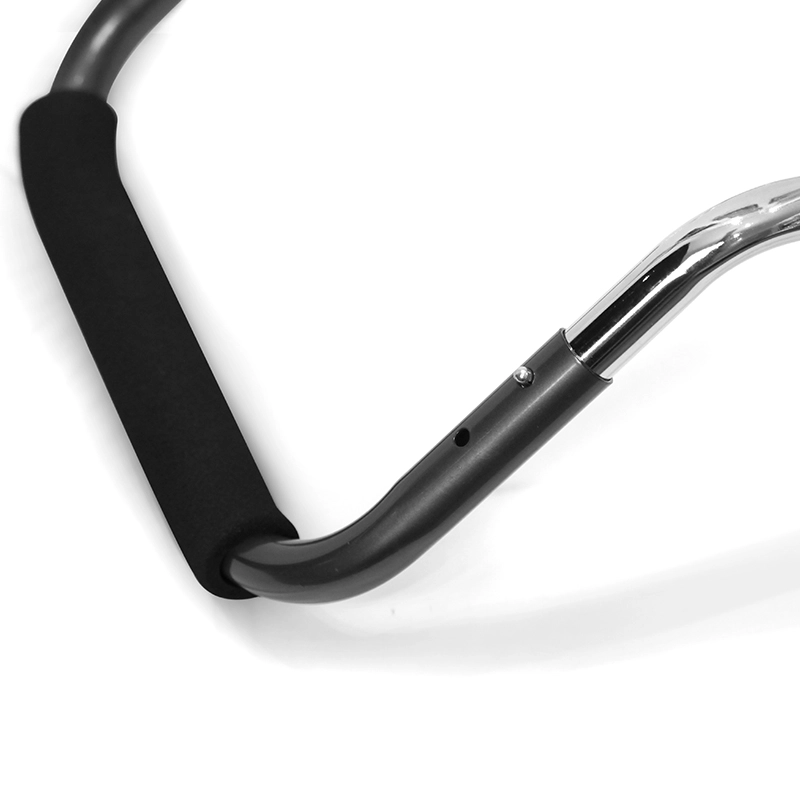
Rollers should hold the lower legs securely without concentrating pressure on a small area. Adjustable leg supports are especially useful in a shared household. Check both the spacing and the diameter of the foam rollers, as well as whether replacement pads are available.
Mounting and exit
A handle near the leg support can make it easier to get on and off a decline bench. This is particularly valuable at steeper settings, where entering and leaving the bench can be less intuitive.
6. Measure the Bench in Use and in Storage
Product photos often make fitness equipment look smaller than it is. Measure the proposed location before ordering, including enough open space to mount the bench and complete each movement without hitting a wall, rack, or other equipment.
For a folding sit-up bench, compare both the operating dimensions and the folded dimensions. Also check the folded thickness, product weight, transport wheels or carry handle, and whether folding requires tools. A compact product provides little benefit if it is awkward to move or cannot stand safely in storage.
7. Look Beyond “Heavy-Duty” Marketing
Useful quality indicators are specific and visible. Look for consistent welds, a durable frame finish, reinforced pivot points, snug hardware, secure locking pins, and clearly written assembly instructions. Replaceable wear parts—such as rollers, end caps, pins, and upholstery—can also extend service life.
Before buying, review the warranty and return policy. Find out which parts are covered, whether the upholstery and foam are excluded as wear items, who pays return freight, and how replacement parts are supplied. For online purchases, confirm that the seller provides an assembly manual and a reachable support channel.
It is also sensible to check the U.S. Consumer Product Safety Commission recall database, or the equivalent authority in your country, for the brand and model. Past exercise-bench recalls show why reliable locking parts and structural support deserve serious attention.
8. Avoid These Common Buying Mistakes
A cheaper bench is poor value if it rocks, does not fit the user, or is too inconvenient to store.
More decline can make controlled technique harder. A gradual adjustment range is usually more practical.
External weights count toward the load, and loaded exercises require explicit manufacturer approval.
Poorly positioned or non-adjustable rollers can make an otherwise solid bench uncomfortable.
Loose hardware can create movement over time. Follow the manual and inspect fasteners and locking parts regularly.
Final Sit-Up Bench Buying Checklist
- Does the bench type match your main exercises?
- Is the manufacturer-rated capacity safely above the expected total load?
- Does the base look wide, rigid, and suitable for your flooring?
- Are the angle settings useful for both your current level and future progression?
- Will the pad and leg-holder positions fit every intended user?
- Have you measured the full operating and storage space?
- Do pins, hinges, pivots, and welds appear secure and well finished?
- Are the warranty, return terms, manual, and replacement parts clearly available?
Safe Use After Purchase
Assemble the bench exactly as instructed and verify that every fastener and adjustment pin is secure before the first workout. Place it on a level, non-slip surface, begin at a manageable angle, and use slow, controlled movement. Stop if you feel sharp pain, dizziness, numbness, or unusual discomfort.
A sit-up bench can support abdominal training, but it should not be treated as a shortcut to spot fat loss or as the only way to train the core. A balanced program may also include planks, carries, anti-rotation movements, and other exercises appropriate to the user’s ability. People with an injury, medical condition, or persistent back or neck discomfort should seek advice from a qualified healthcare or fitness professional before starting a new routine.
Final Thoughts
To choose the right sit-up bench, prioritize fit, stability, verified capacity, and a practical adjustment range. Then consider comfort, storage, warranty, and exercise versatility. The right purchase should feel secure at every setting and make regular training easier—not simply look impressive in a specification table.
Frequently Asked Questions
Is an adjustable sit-up bench better than a fixed bench?
For most households, an adjustable model offers more room to progress because the training angle can change. A fixed bench may still be a good choice when simplicity, low cost, and compactness are the priorities.
How much weight capacity do I need?
Choose a stated capacity comfortably above the maximum expected total load. If approved external resistance will be used, add the user’s body weight and the weight being held.
Can I use a sit-up bench for dumbbell presses?
Only when the manufacturer explicitly approves the bench for pressing exercises and provides a suitable total load rating. Do not assume every ab bench is designed for loaded strength work.
Is a folding bench always less stable?
Not necessarily. Stability depends on the frame, hinge design, locking system, base width, and assembly quality. A folding model should be evaluated by the same standards as a fixed-frame bench.
how to choose a sit-up bench · sit-up bench buying guide · adjustable sit-up bench · decline ab bench · folding sit-up bench · abdominal workout bench · home gym benchSources
- American Council on Exercise, Crunch Time: An Evidence-based Approach to Training the Abs.
- American College of Sports Medicine, Updated Resistance Training Guidelines.
- U.S. Consumer Product Safety Commission, Exercise Bench Recall and Repair Notice.
 English
  Arabic
  French
  Spanish
  Portuguese
  German
  Japanese
  Korean